HomeAbout
Services
General PhysiotherapySports PhysiotherapyExercise RehabilitationDry NeedlingRemedial MassageMedicare / EPCWorkCover & ICWADVA Physiotherapy
ConditionsFeesContact
Book OnlineCall 08 6113 8062
★★★★★4.9 · 381 Google Reviews

Neck Pain Treatment in Perth

Stiffness, aching, or sharp pain in the neck -- our physiotherapists deliver hands-on treatment and lasting rehabilitation, not just short-term relief.

Neck Pain

Neck Pain Treatment in Perth

The cervical spine is an extraordinary structure -- supporting the weight of the head while allowing more freedom of movement than any other region of the spine. That mobility comes with vulnerability, and the neck is highly susceptible to both acute injury and postural strain.

Whether your neck pain comes on suddenly, builds gradually with desk work, or recurs regularly, our physiotherapists will identify the contributing factors -- from joint stiffness and muscle weakness to posture and workplace ergonomics -- and address them directly.

Neck Pain
Neck Pain

Causes

Common Causes of Neck Pain

Poor desk or screen posture
Muscle strain or overuse
Whiplash from MVA
Cervical disc irritation
Joint stiffness (facet joint dysfunction)
Nerve root irritation
Cervical osteoarthritis
Sleeping position

Our Approach

The Move Process

01
Full Cervical Assessment
We assess range of motion, joint mobility, muscle strength, and neural tension to accurately identify the cause of your neck pain.
02
Hands-On Treatment
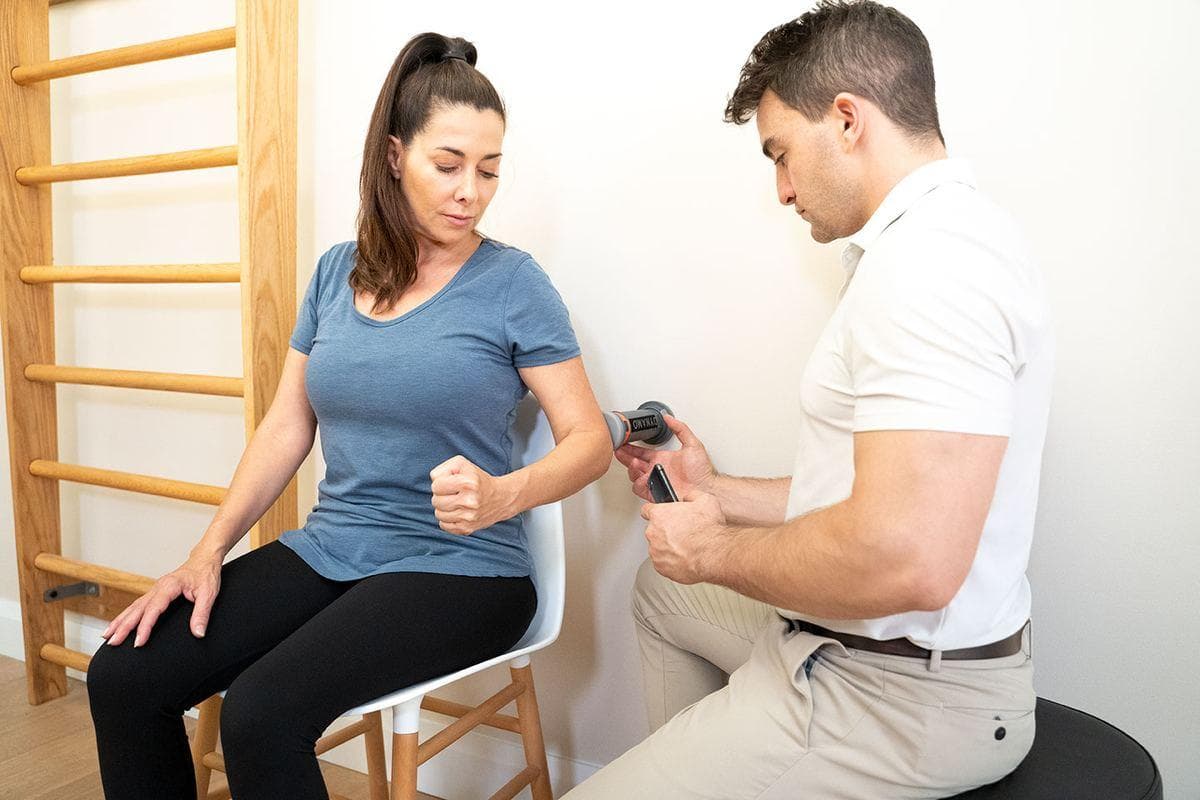
Joint mobilisation, soft tissue therapy, and dry needling to rapidly restore movement and reduce pain.
03
Postural & Ergonomic Correction
Addressing the driving factors -- whether desk setup, screen height, or habitual posture.
04
Strengthening & Prevention
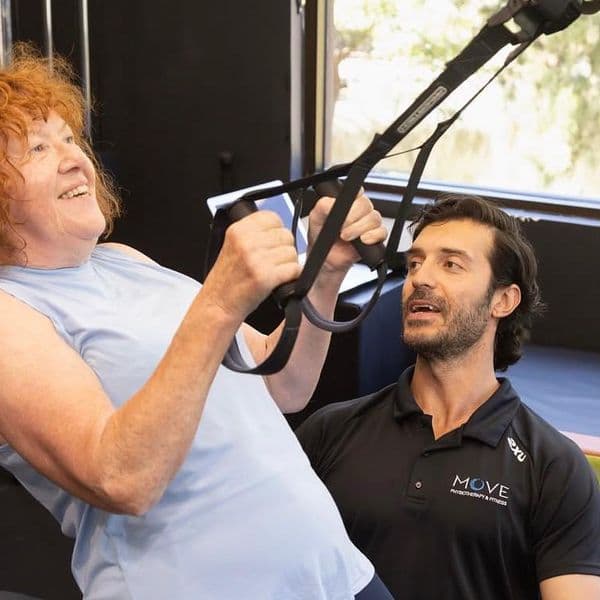
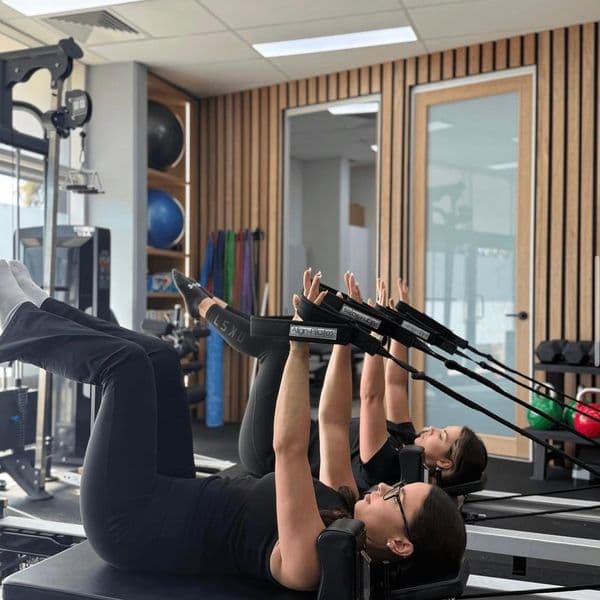
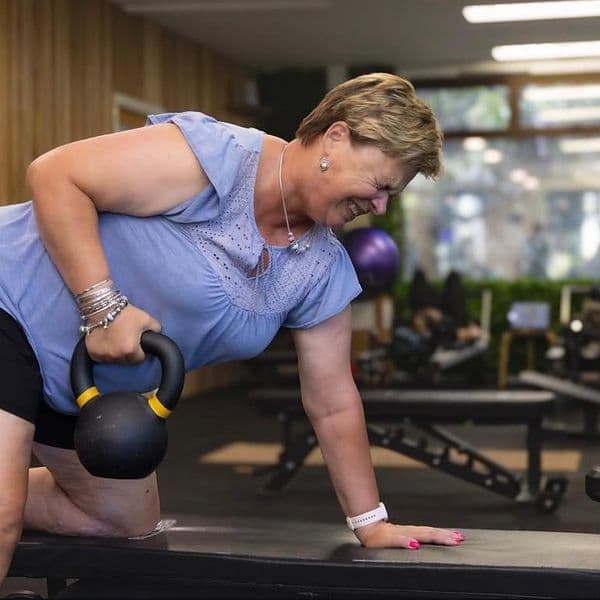
Deep cervical and upper back strengthening to build long-term resilience against recurrence.

Why Move Physiotherapy

What sets us apart

More Than Symptom Relief
Hands-on treatment reduces pain quickly -- but it doesn't prevent recurrence on its own. We combine manual therapy with rehabilitation that addresses the underlying drivers and keeps you better long-term.
Upper Cervical Expertise
The upper cervical spine (C0-C2) is a common but frequently missed source of headaches and neck pain. Our physiotherapists are trained in specific upper cervical assessment and mobilisation techniques.
Posture & Load Management
Most chronic neck pain is driven by sustained postures and inadequate neck and shoulder strength. We identify your specific postural and loading drivers and address them directly.
Whiplash Rehabilitation
We have significant experience managing whiplash-associated disorders -- from acute WAD II injuries through to chronic presentations. Early, active management produces significantly better outcomes than rest.
Dry Needling
Trigger point dry needling is highly effective for deep cervical and upper trapezius tension that drives many neck pain presentations. It is offered as an adjunct to manual therapy and exercise when indicated.
3 Perth Locations
Beeliar, Booragoon and East Fremantle -- with early morning, evening and Saturday appointments available.

Common Questions

Frequently Asked Questions

What causes neck pain?+
The most common causes are muscular tension and joint dysfunction in the cervical spine, typically driven by sustained poor postures (desk work, phone use), inadequate cervical and shoulder strength, and high stress loads. Other causes include disc pathology, facet joint irritation, whiplash injury, and referred pain from the thoracic spine. Your physiotherapist screens for the specific situations that require medical investigation -- such as serious spinal pathology or vascular compromise -- at your initial assessment.
How many sessions will I need for neck pain?+
Acute neck pain from a specific incident typically responds within 4-6 sessions. Chronic or recurrent neck pain with postural drivers and muscle weakness usually requires 8-12 sessions with a significant home exercise component. The key to lasting outcomes is addressing not just joint and muscle tightness, but the strength and postural habits that perpetuate the problem. Your physiotherapist will give you a realistic timeline after your initial assessment.
Can physiotherapy help with whiplash?+
Yes. Physiotherapy is the recommended first-line treatment for whiplash-associated disorders. The evidence strongly supports early, active management over rest and immobilisation. A cervical collar is no longer recommended except in specific circumstances. Physiotherapy addresses pain and range of motion in the acute phase, then progressively targets the deep cervical flexor and extensor strength deficits consistently found in whiplash patients. Early treatment within the first 4-6 weeks is associated with much lower rates of chronicity.
Is my neck pain related to my headaches?+
Quite possibly. Cervicogenic headache -- headache arising from structures in the upper cervical spine -- is estimated to account for 15-20% of all chronic headaches. Key features include headache starting at the base of the skull and spreading forward, reproducible with certain neck movements or postures, usually one-sided, and associated with neck stiffness. Upper cervical physiotherapy has strong evidence for cervicogenic headache and can produce substantial reductions in headache frequency and intensity.
What can I do at home for neck pain?+
Gentle active movement (slow rotation and side-bending within pain-free range) is generally more helpful than rest in the early stages. Heat can reduce muscle tension. Reviewing your desk and phone ergonomics is important -- screen height, monitor distance, and chair position all affect cervical loading significantly. Avoiding sustained positions for prolonged periods (taking movement breaks every 30-45 minutes) is helpful. Your physiotherapist will provide a specific home exercise program tailored to your presentation, which is one of the most important components of your recovery.

Ready to get moving?

Beeliar, Booragoon and East Fremantle -- early morning, evening and Saturday appointments available.