HomeAbout
Services
General PhysiotherapySports PhysiotherapyExercise RehabilitationDry NeedlingRemedial Massage
BlogFeesContact
Book OnlineCall 08 6113 8062
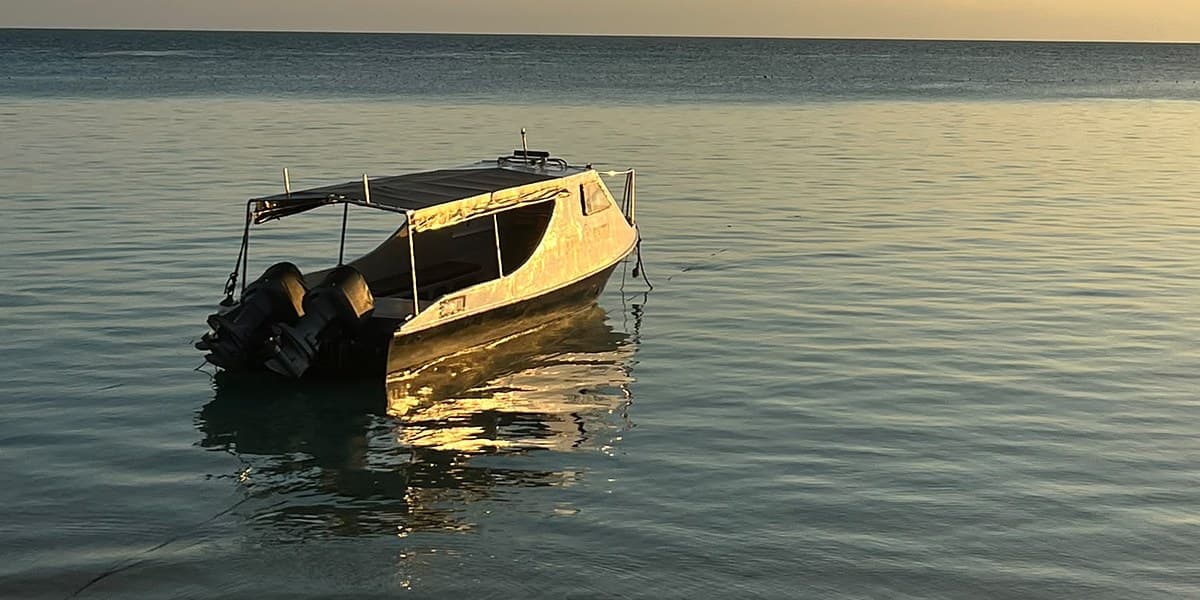
Sunset over a quiet bay in Borneo
Healthy AgeingHealthspanOlder Adults

Healthspan Over Lifespan: What I'm Telling My Parents in Their 70s

Daniel Ryan
Daniel Ryan
Senior Physiotherapist · Founder, Move Physiotherapy
05 Jun 2026 · 10 min read

I'm writing this from Borneo. We've just spent the morning at Sepilok orangutan sanctuary. We're a few days into a trip I've wanted to take with them for a long time.

I only see my parents a few times a year. They're approaching their 70s. This trip matters to me because I want lasting memories with them — and because I'm increasingly aware that those memories depend on something neither of them has thought about much: whether they can physically do the things that make memories possible.

This is a hard conversation. It's hard finally giving advice to the people who brought you up!

This piece is a version of the conversation I've been having with them over the last few days. It applies to most people's parents.

The gap between life and being able to live it

There's a useful distinction in the ageing literature between lifespan and healthspan. Lifespan is the years you're alive. Healthspan is the years you're functional — without significant disability, able to do the things that make life worth living.

The two numbers are not the same. According to the AIHW, an Australian female at age 65 can expect to live about another 22 years on average — but only around 9.5 of those years without any disability.1 Over half her remaining life will involve some level of disability. The figures for men are similar. That gap, on average, is the period spent managing chronic conditions, declining function, and increasing dependence.

This isn't an argument about extending life. The question is what the last decade of life looks like. Whether you spend it travelling, gardening, lifting your grandchildren, going to dinner with friends — or whether you spend it managing limitations.

The decisions that shape healthspan compound over decades. But the choices that shape your final ten to twenty years specifically — those are made now, in your 60s and 70s. Not by genetics. By what you do with your body, and what you don't.

What ageing looks like for most Australians

My parents are not outliers. They're typical. That's worth understanding before we get into specifics.

In 2022, 39% of Australian adults had hypertension. By age 55 to 64 that figure is 57%. By 75 and over it's 85%.2 My dad sits in the middle of that demographic. His high blood pressure and cholesterol are managed with medication. It sounds like nothing dramatic — but only because it is so common it has become the norm.

About 23% of Australian women aged 50 and over have osteoporosis when measured with bone density scans.3 The Geelong Osteoporosis Study found that by age 79 and older, 87% of women had osteoporosis at the spine, hip, or forearm.4 My mum sits within that range. Most of her friends would too if they were scanned.

Cardiovascular disease, hypertension, dyslipidaemia, osteoporosis, sarcopenia (age related muscle loss), and balance decline are the most common conditions of ageing in this country. They are the norm. Most of them respond meaningfully to exercise. The response curve is steep enough that the difference between an older adult who exercises and one who doesn't is enormous — measurable in physical function, fracture risk, falls risk, cognition, and mortality.

My mum and osteoporosis

My mum is the more active of my parents. She walks, she does some Pilates, she's not sedentary. From her perspective, she's doing exercise. From an evidence based perspective, she's not getting close to the dosage that meaningfully changes bone density.

The reason it matters is what happens when something goes wrong. If she trips on a Borneo boardwalk, the difference between catching herself and fracturing an ankle is a matter of strength, reaction time, and bone tolerance. And recovery from a fracture is not just about the bone knitting back together. It is about getting back on her feet, walking the dog, doing the stairs, returning to normal life. The strongest predictor of how well that recovery goes is what the body was doing before the fracture — the muscle, the fitness, the balance that had been built. People who arrive at a fracture deconditioned often never quite return to baseline.

Until recently, the standard advice for women with osteoporosis was caution. Avoid loading the spine. Don't lift heavy. Don't jump. The fear was that high load activity would cause fractures.

That advice has been overturned. The LIFTMOR trial, published by Watson and colleagues in the Journal of Bone and Mineral Research in 2018, randomised postmenopausal women with osteopenia and osteoporosis to either eight months of supervised high intensity resistance and impact training (five sets of five repetitions at over 85% of one repetition maximum — heavy by any standard) or a low intensity home program.5 The high intensity group improved bone mineral density at the spine and femoral neck. They improved functional performance. There were no adverse events.

The implication is uncomfortable but clear. The women most worried about loading their bones are often the women whose bones need loading the most. Bone responds to mechanical strain. Low intensity walking and Pilates do not generate strain anywhere near the threshold required to change bone density. Heavy resistance training does.

What my mum needs — and what most women in her position need — is not more cardio. It is two strength sessions per week, with selected impact loading appropriate to her bone status, at a load that genuinely stresses the bone. And here is the catch: what most women her age think is heavy is not heavy. The LIFTMOR protocol used loads at over 85% of one repetition maximum — the weight you can lift only five times before your form breaks. Not the 2kg dumbbells that get handed out in most over-60s classes. The difference between those two doses is the difference between maintaining bone and changing it.
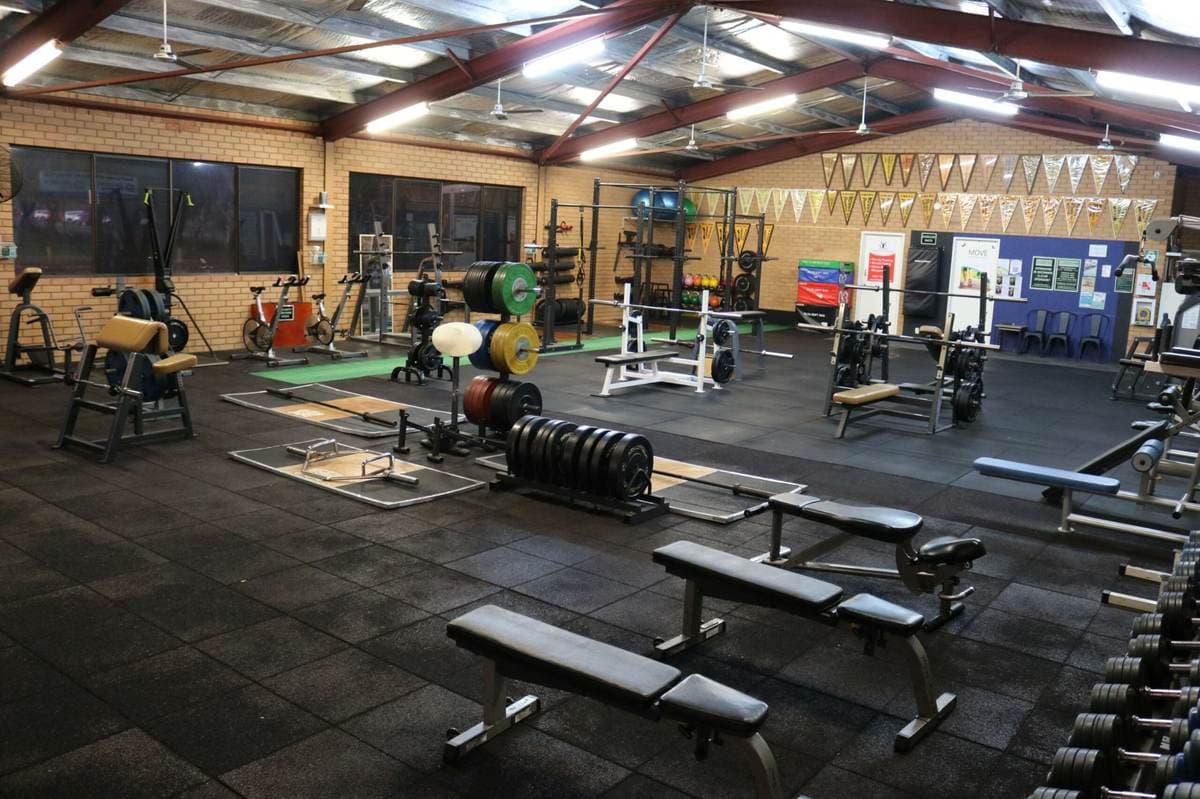
Move Physiotherapy strength training

Working with a Physiotherapist on Bone Strength

Building bone strength, safely.

If you or someone in your family has osteoporosis or osteopenia, this is the work that needs doing — and the work to do under supervision. Our model: start with a one to one physiotherapy session to set the program and teach the movements, then progress into one of our small group classes. The supervision is what keeps you safe at the load that actually changes bone.

Book an Initial Assessment →

My dad and the fear of moving

My dad is the trickier conversation. Like most men, he has a history of back pain — in his case, a fairly severe disc injury. His back is fine now. It has been fine for a while. But he understandably has some caution around the movements that previously triggered the pain, and that caution sits behind every decision he now makes about movement. He does not want to do anything that might bring the pain back. The pain is not the problem anymore. The fear of the pain is the problem.

This pattern has a name in the literature: fear avoidance. Vlaeyen and Linton's 2000 paper established the framework.6 Pain leads to fear of movement. Fear of movement leads to avoidance. Avoidance leads to deconditioning. Deconditioning leads to more pain on movement when it is finally attempted. The cycle reinforces itself even after the original pain has settled. In older adults specifically, fear avoidance beliefs are an independent predictor of disability, separate from pain intensity itself.7

What does the evidence say works? Graded, progressive exercise delivered alongside reassurance and education about what pain does and doesn't mean. The 2021 Cochrane review on exercise for chronic low back pain found exercise reduces pain and improves function compared to no treatment, across all major exercise types.8

The conversation I'm having with my dad: the pain is gone, but the avoidance has stayed. Every month he stays cautious, his back becomes a little less capable of handling load, which makes the next time he tries it more likely to flare. The way out is not more rest. It is graded loading, done properly, with someone qualified to progress it.

The secondary point is even more important. The back is the visible thing he is protecting. The invisible cost is that years of guarding have eroded his strength, his balance, and his aerobic fitness — all of which determine what happens if he falls, gets sick, or needs surgery. The fear is understandable. What it has cost him in strength, balance, and fitness is more dangerous than the pain ever was.

What actually counts as enough

The World Health Organization updated its physical activity guidelines in 2020.9 For adults aged 65 and over, the recommendations are:

150 to 300 minutes per week of moderate intensity aerobic activity, or 75 to 150 minutes of vigorous intensity. Muscle strengthening activities involving all major muscle groups on two or more days per week. Multicomponent physical activity emphasising balance and strength on three or more days per week, to prevent falls and enhance functional capacity.

The third point — the multicomponent balance and strength prescription — is specific to older adults. It is the part most people miss. Walking is fine. Pilates is fine. Neither, on its own, hits the prescription.

The fall prevention evidence supports this directly. Sherrington's 2019 Cochrane review pooled trials across more than 23,000 community dwelling older adults and found exercise reduces the rate of falls by around a fifth, with balance and functional exercise the most effective component.10 The effective programs share characteristics: at least three hours per week, ongoing rather than a short course, and at an intensity that genuinely challenges balance.

So the question for my parents — and any older adult — is not “am I exercising.” It is “am I exercising at the dose that does what I actually need it to do.” For my mum, that is resistance training heavy enough to stress bone. For my dad, that is graded loading to break the fear cycle, plus the strength training he hasn't been doing. For both of them, that is more than walking.

The reassuring part is that the body still responds. Aerobic fitness improves within weeks. Strength improves within months. Balance improves within sessions. Bone takes longer but it responds too. There is no version of 70 where the window is closed. It only stays closed if you assume it is.

What I'm asking them to do

The recommendation in concrete terms is simpler than people expect.

Walk every day. 10,000 steps as a daily minimum. This is the aerobic base. The evidence on steps and mortality actually puts the biggest benefit between 6,000 and 8,000 steps per day for older adults — that is where the curve does most of its work. But the effort to push from 8,000 to 10,000 is trivial. An extra twenty minutes. And the marginal gain it returns in cardiovascular fitness, glucose control, mood, and time outside is worth the small extra investment. No exceptions, no rest days. Hit this floor before negotiating anything else.

One supervised strength session per week. Personal training with a physiotherapist, one on one or in a small group. This is the session that does the heavy lifting — literally. It is where the weights get progressed, the movements get screened, and the program responds to what is happening that week. Older adults rarely progress on their own because they undershoot the load they actually need. A qualified eye fixes that. This is the model we offer at Move. I will be upfront about that: it is exactly what I would want my parents in. We have been delivering it since the clinic opened eight years ago. I have trained some of the same people in the gym throughout those eight years, and some of them are moving phenomenally now compared to when we started. It is the part of the work I am most proud of.

Replicate that session once a week, on their own. Same exercises, same load, no surprises. This is where autonomy is built — and where the strength actually gets built. The dose-response evidence in older adults is consistent: one weekly session maintains strength, two sessions builds it, three sessions builds it faster. Borde and colleagues' 2015 meta-analysis on resistance training in healthy older adults found gains scaled with frequency through two to three weekly sessions before the curve starts to flatten.11 The supervised session teaches the movements and sets the dose. Repeating it independently doubles the weekly volume without doubling the cost. One taught, one practised.

Walking, one taught session, one practised session. That is the whole list. Consistency is what compounds.

I understand the Boomer generation. They do not love spending money. Even comfortably set in retirement, they will share a cappuccino at the cafe! But the investment in their health, made now, will pay off in spades. The cost of a weekly session with a physiotherapist is trivial against the cost of losing the next decade of independent movement. This is one of the best returns on capital they have left.

Back to Borneo

What I want is not to make them younger. They are not going to be younger. What I want is for the next ten years to look more like this trip and less like a slow narrowing of what they can do. That is healthspan. That is what I am trying to help them protect.

If you have parents in their 60s or 70s, the conversation is worth having. Not as a lecture — they raised you, they don't need to be told. But as a quiet request, and a practical plan. Walking is not enough. Strength matters. Dosage matters. The body still responds at 70. The window is still open. It does not stay open forever.

Daniel Ryan
Daniel Ryan
Senior Physiotherapist · Founder, Move Physiotherapy & Fitness

Masters of Physiotherapy, University of South Australia. Founded Move Physiotherapy in 2018 across Beeliar, Booragoon and East Fremantle.

References

  1. Australian Institute of Health and Welfare. Life expectancy and disability in Australia: expected years living with and without disability. AIHW: Canberra; 2017.
  2. Australian Institute of Health and Welfare. Hypertension in Australia. AIHW analysis of ABS National Health Survey 2022. AIHW: Canberra; 2024.
  3. Australian Institute of Health and Welfare. Estimating the prevalence of osteoporosis in Australia. Cat. no. PHE 178. AIHW: Canberra; 2014.
  4. Henry MJ, Pasco JA, Nicholson GC, Seeman E, Kotowicz MA. Prevalence of osteoporosis in Australian women: Geelong Osteoporosis Study. J Clin Densitom. 2000;3(3):261–268.
  5. Watson SL, Weeks BK, Weis LJ, Harding AT, Horan SA, Beck BR. High-Intensity Resistance and Impact Training Improves Bone Mineral Density and Physical Function in Postmenopausal Women With Osteopenia and Osteoporosis: The LIFTMOR Randomized Controlled Trial. J Bone Miner Res. 2018;33(2):211–220.
  6. Vlaeyen JWS, Linton SJ. Fear-avoidance and its consequences in chronic musculoskeletal pain: a state of the art. Pain. 2000;85(3):317–332.
  7. Sions JM, Hicks GE. Fear-avoidance beliefs predict disability in older adults with chronic low back pain. PM R. 2011;3(8):708–712.
  8. Hayden JA, Ellis J, Ogilvie R, Malmivaara A, van Tulder MW. Exercise therapy for chronic low back pain. Cochrane Database Syst Rev. 2021;9(9):CD009790.
  9. Bull FC, Al-Ansari SS, Biddle S, et al. World Health Organization 2020 guidelines on physical activity and sedentary behaviour. Br J Sports Med. 2020;54(24):1451–1462.
  10. Sherrington C, Fairhall NJ, Wallbank GK, et al. Exercise for preventing falls in older people living in the community. Cochrane Database Syst Rev. 2019;1(1):CD012424.
  11. Borde R, Hortobágyi T, Granacher U. Dose-Response Relationships of Resistance Training in Healthy Old Adults: A Systematic Review and Meta-Analysis. Sports Med. 2015;45(12):1693–1720.

Train with us

Physiotherapy-led strength training across Beeliar, Booragoon and East Fremantle.

Book OnlineMore Articles →