HomeAbout
Services
General PhysiotherapySports PhysiotherapyExercise RehabilitationDry NeedlingRemedial MassageMedicare / EPCWorkCover & ICWADVA Physiotherapy
ConditionsFeesContact
Book OnlineCall 08 6113 8062
★★★★★4.9 · 381 Google Reviews

Shoulder Bursitis Treatment in Perth

Subacromial bursitis is one of the most common causes of shoulder pain -- and one of the most responsive to physiotherapy when managed correctly.

Shoulder Bursitis

Shoulder Bursitis Treatment in Perth

Subacromial bursitis refers to inflammation of the bursa -- a fluid-filled sac -- that sits between the rotator cuff tendons and the underside of the acromion. When this structure becomes irritated and inflamed, it causes pain with lifting the arm, reaching overhead, and often at night.

Bursitis rarely occurs in isolation. It is usually driven by a contributing factor -- rotator cuff weakness, poor shoulder blade control, postural changes, or overloading from sport or work. Addressing the driver is what prevents it from returning.

Shoulder Bursitis
Shoulder Bursitis

Causes

Common Causes of Shoulder Bursitis

Rotator cuff weakness or imbalance
Poor scapular control
Overuse from repetitive overhead activity
Sport-related loading (swimming, throwing, racquet sports)
Postural changes reducing subacromial space
Acute trauma
Age-related tendon changes
Occupational overhead work

Our Approach

The Move Process

01
Load & Posture Assessment
We identify what's driving the bursitis -- whether it's rotator cuff weakness, poor scapular control, or overloading -- before treating.
02
Pain Reduction
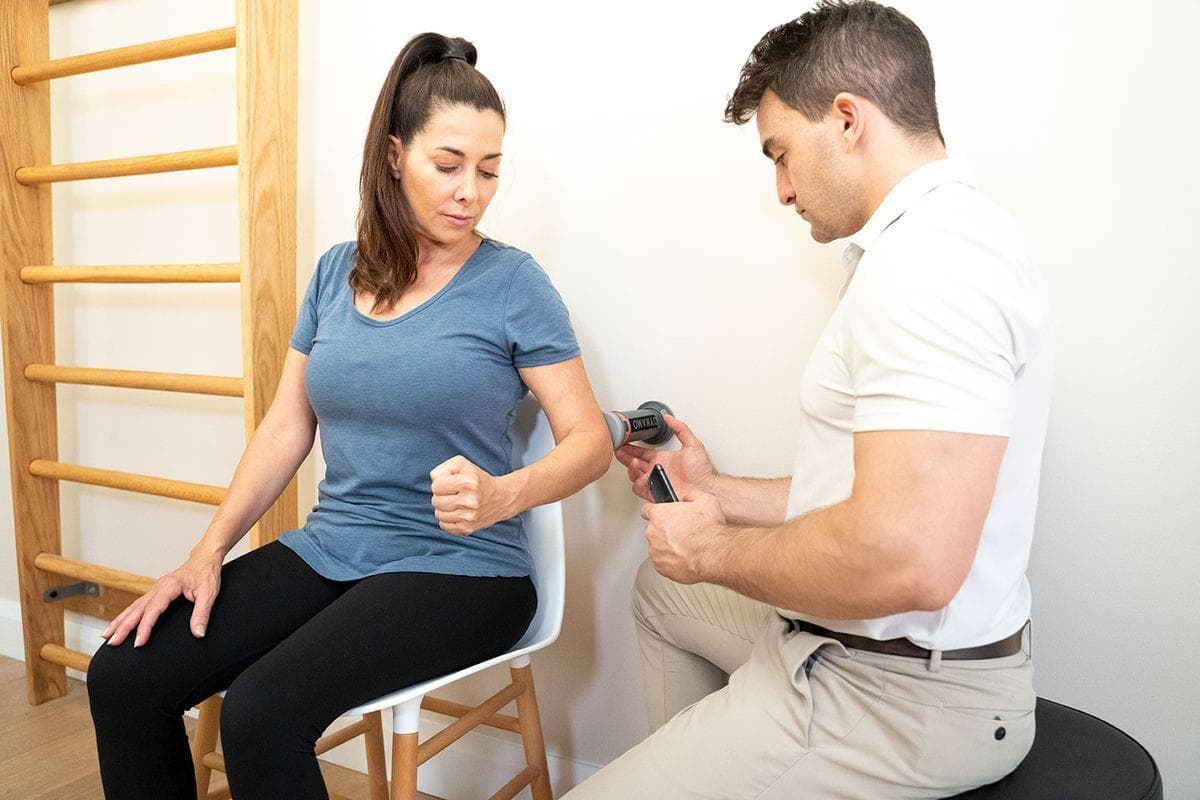
Manual therapy and dry needling to reduce local inflammation and restore pain-free range of motion.
03
Rotator Cuff & Scapular Training
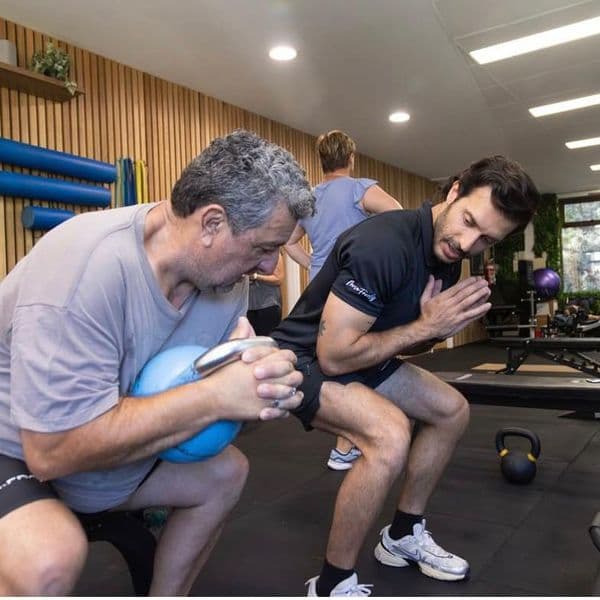
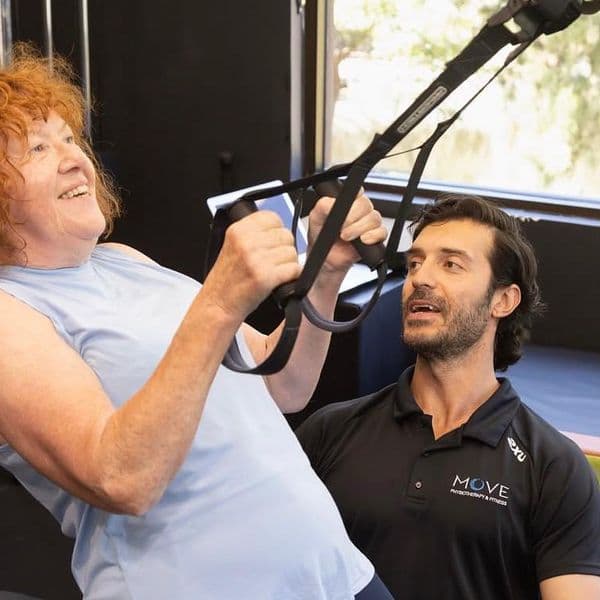
Progressive strengthening of the rotator cuff and serratus anterior to restore the normal mechanics that created space for the bursa.
04
Return to Full Activity
Activity-specific rehabilitation -- whether that's returning to swimming, gym training, or overhead work.

Why Move Physiotherapy

What sets us apart

Treat the Cause, Not Just the Bursa
Bursitis is almost always a consequence of another problem -- impingement from a tight posterior capsule, rotator cuff weakness, or altered scapular movement. We identify and treat the driver.
Injection Referral When Indicated
Corticosteroid injections can assist in persistent or severely painful bursitis. We facilitate referral when injection is likely to be beneficial alongside physiotherapy.
Rotator Cuff Strengthening
Adequate rotator cuff strength is the most important long-term protective factor against subacromial bursitis. We progress you through a structured strengthening program that restores normal subacromial space dynamics.
Scapular Control
Altered scapular movement (dyskinesis) is a key contributor to subacromial impingement and bursitis. Scapular stabiliser strengthening is a core component of every shoulder bursitis program we run.
Avoiding Unnecessary Surgery
Subacromial decompression surgery has limited evidence over physiotherapy for most bursitis presentations. We advocate for a thorough conservative trial before surgical options are considered.
Satisfaction Guarantee
Not satisfied after your first appointment? We'll refund you in full, no questions asked.

Common Questions

Frequently Asked Questions

What is subacromial bursitis?+
The subacromial bursa is a fluid-filled sac that sits between the rotator cuff tendons and the acromion bone, reducing friction during shoulder movement. Bursitis refers to inflammation of this bursa, producing pain -- typically on the outer side of the shoulder -- that is aggravated by lifting the arm, reaching overhead, or lying on the affected side. It is one of the most common causes of shoulder pain and almost always arises secondary to another problem: rotator cuff weakness, tight posterior shoulder capsule, altered scapular movement, or repetitive overhead loading. Treating the bursa in isolation without addressing the driver leads to recurrence.
Is bursitis different from a rotator cuff tear?+
Yes, though they frequently co-exist. The rotator cuff is the group of four muscles and their tendons that stabilise the shoulder. A tear refers to structural damage to these tendons. Bursitis refers specifically to inflammation of the bursa. Both can produce pain on shoulder elevation and at the outer arm, and their presentations can overlap significantly on clinical examination. Ultrasound is useful for differentiating between them. Many patients with rotator cuff tendinopathy also have reactive bursitis from the tendon irritation. The treatment differs somewhat -- rotator cuff rehabilitation is the primary focus for tendinopathy, while anti-inflammatory approaches (relative rest, ice, and sometimes injection) are more relevant for acute bursitis.
Will I need a cortisone injection?+
Not necessarily. Many cases of subacromial bursitis resolve with physiotherapy alone, particularly when the underlying cause is addressed. However, corticosteroid injection is a useful adjunct in cases of severe or persistent pain that is limiting participation in rehabilitation. The evidence suggests injections work best as a short-term pain reduction tool that creates a window for physiotherapy to be more effective -- not as a standalone treatment. If pain is severe enough to prevent you engaging with exercise, an injection followed by physiotherapy typically produces better outcomes than either alone.
How long does shoulder bursitis take to heal?+
Acute bursitis from a specific incident (such as a fall or sudden overhead activity) often settles within 4-6 weeks with appropriate management. Chronic or insidious-onset bursitis -- particularly in repetitive overhead workers or throwing athletes -- requires addressing the underlying biomechanical drivers and typically takes 8-12 weeks of structured physiotherapy. The key predictor of outcome is whether the rotator cuff and scapular strength deficits that are driving the condition are adequately rehabilitated. Without this, bursitis tends to recur when loading is resumed.

Ready to get moving?

Beeliar, Booragoon and East Fremantle -- early morning, evening and Saturday appointments available.