

Starts Here
BEELIAR, BOORAGOON AND EAST FREMANTLE
BEELIAR, BOORAGOON AND EAST FREMANTLE
and Performance Testing

In East Fremantle
BEELIAR, BOORAGOON AND EAST FREMANTLE


Strength & Power Testing: Measure What Matters
Gap Free When Booked Online Using Code: GAP FREE
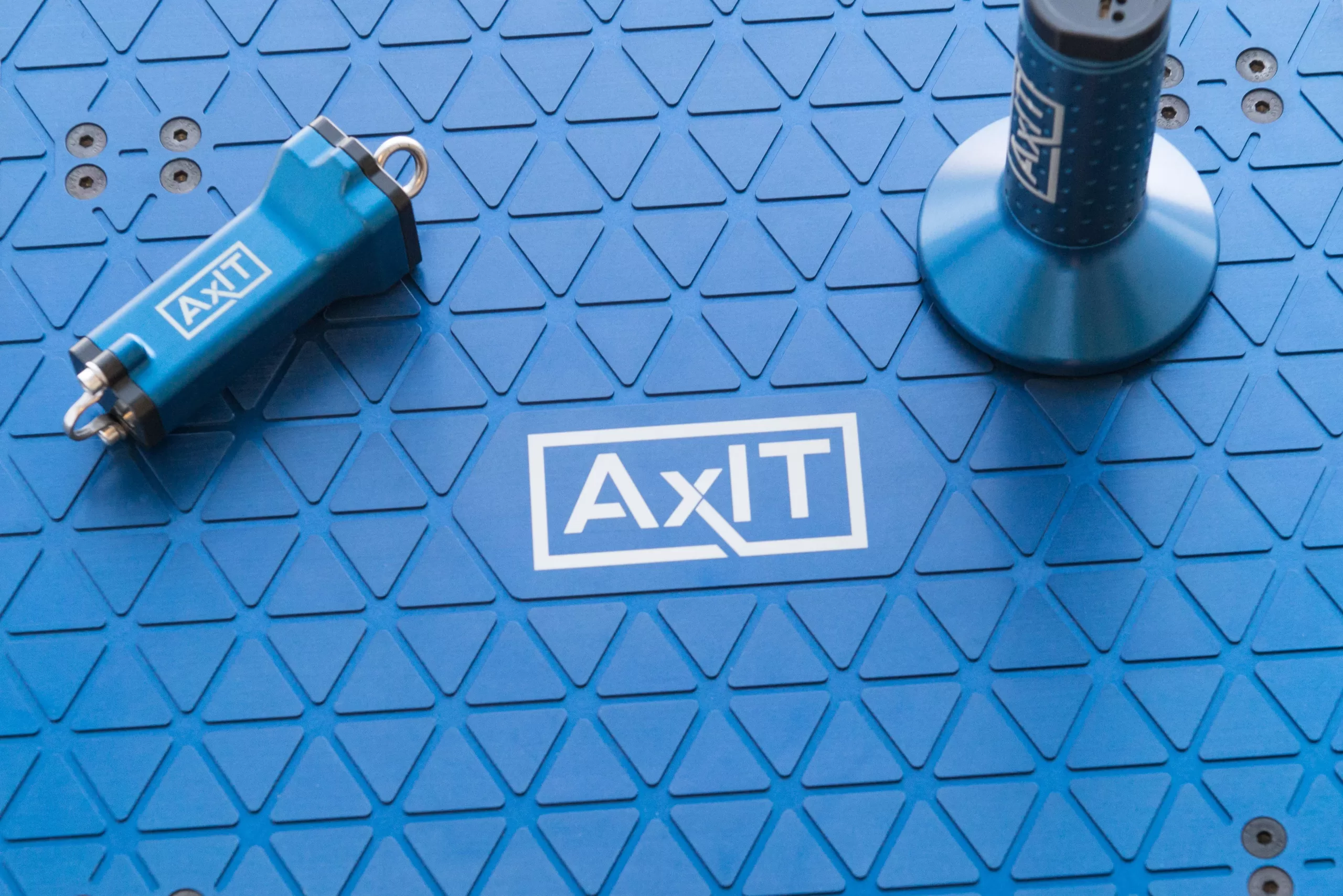
At Move Physiotherapy, we possess Force Plates and technology which allows us to quantify your muscle output. This is in terms of total strength and also the rate at which you generate this force.
This information provides a baseline level of function so we can diagnose the extent of your injury. For example in the case of soft-tissue injury, your loss of muscle strength is often proportionate to the degree of muscle damage. For tendon injuries, you will demonstrate a loss of power – which is your total force applied divided by the time taken to generate this force.
Repeat testing is an easy and objective measure to determine whether you are getting stronger with your plan or program. For sporting injuries, repeat testing can also determine whether you are ready to return to sport, where deficits in strength or power can often exist even when you are feeling 100%.
Our Force Plate assessments have function for both everyday aches and pains, and sporting injuries as explained below.
Book Your AxIT Strength Assessment Today
Use the code ‘GAP FREE’ when booking an Initial Force Plates Assessment Online


✅ Exact Measurements of Muscle Output: Exactly quantify muscle strength and rate of force development.
✅ Measure Muscle Balance/Symmetry: Are you stronger on one side compared to another? These measures can determine whether you have truly recovered from injury and predict future injury.
✅ Ensure You Recover Fully: Compare your injured body part to your uninjured side to ensure you recover your muscle strength and power.
✅ Compare Your Data: See where you measure against people of your age and gender to guide your physical wellness.
An Important Assessment for Everyday Aches and Pains
Muscle tightness primarily occurs when a muscle is unable to cope with the amount of load going through it. It is a protective response; which prevents a muscle being stretched under tension; into a position where it simply cannot tolerate load and therefore is under injury risk. When a muscle is unable to cope with daily load it will become chronically tight.
This can either occur because the recurrently tight muscle itself is weak. For example, the answer for tight hamstrings is generally to strengthen the hamstrings as opposed to stretching. Or, it can occur because a muscle within the system with accessory functions is weak. For example, the majority of repetitive neck tightness is caused by a weakness in the mid back. This means the neck muscles and upper trapezius are working to compensate for this other weakness, getting overloaded and therefore becoming tight.
Most people who do not achieve success with physiotherapy are the ones who have only been treated with manual techniques, where a strengthening intervention was required. In addition, your required strengthening exercises need to be appropriate for your level of conditioning, with higher degrees of strength required for those with higher physical demands. Unless you are bed bound – flimsy bits of theraband generally won’t cut it!
For the everyday person – many people are unaware of the areas of weakness underpinning their tight muscles. Many people are unaware that weakness causes tightness. It is why any reputable physiotherapy office should include a gym space for assessment and rehabilitation.
These assessments provided your physiotherapist with exact measures of strength to determine where your weakness may lie, which leads to a more targeted and specific rehabilitation program.

Some Common Examples
Example 1: Rachael attended Move Physiotherapy with recurrent right sided back pain; and had been receiving ongoing manual therapy treatment elsewhere. She was fit and active – and a regular in the gym squatting and deadlifting above her body weight. Her technique looked perfect. When her high load squat (5RM) was assessed, she was generating force at 38% greater rates on her right side – the side of her repetitive pain and tightness. We were able to use this assessment to reduce her squatting weight to a load where she could maintain even peak force, and rate of force development evenly. This kept her performing her sport without further pain or injury. We also prescribed her one-sided exercises to strengthen her under-utilised left side.
Example 2: Weakness in our glutes and hip abductors – the muscles of our buttocks – is largely correlated with the majority of knee pain and lower back pain. Data suggests that our peak hip abduction (sideways) strength should measure between 25-35% of your body weight. Once this weakness is identified, we can prescribe a hip strengthening program to prevent knee pain or back pain from recurring.
Example 3: Shoulder pain is largely correlated with a weakness through our midback and rotator cuff musculature. Weakness through these muscles can often predispose injuries such as rotator cuff tendinopathies, shoulder bursitis and more. We can measure your strength in your ‘uninjured shoulder’ and compare this strength to your injured shoulder to give you a quantifiable strength goal you are aiming to achieve to become pain free again. In the case of two injured shoulders, we can compare these numbers to age related ‘normative values’.
Example 4: We can quantify readiness for return to sport. Many of our return to sport programs require you to achieve 90% strength of your ‘non-injured side’, on your injured limb. These devices can exactly measure total force output, but also the rate which you are generating force. This should also be within 10% of your non-injured limb.
